Nature's Perfect Backdrop: Unlocking the Potential of Green Wood Backgrounds
In the world of digital design, finding assets that feel organic, textured, and genuinely authentic can be a challenge. While flat colors serve a purpose, they often lack the warmth and depth needed to make a project resonate with an audience. This is where the tactile quality of wood grain comes into play. Specifically, using Green Wood Backgrounds offers a unique aesthetic that bridges the gap between rustic charm and modern vibrancy. It is a design choice that immediately evokes feelings of growth, nature, and stability, making it a versatile tool for a wide range of creative endeavors.
The Aesthetic Appeal: More Than Just a Color
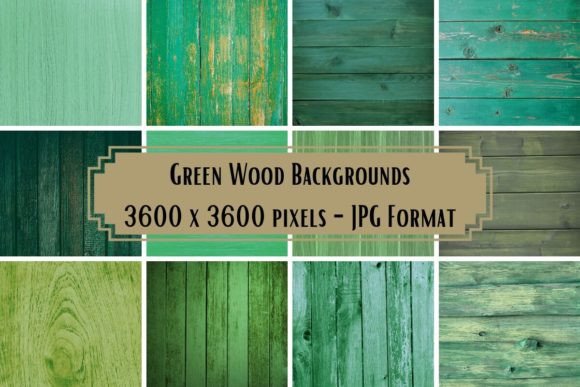
When we talk about Green Wood Backgrounds, we aren't just discussing a hue; we are discussing a texture that interacts with light and shadow to create visual interest. This specific set of digital papers captures the intricate details of wood grain—knots, whorls, and natural lines—while overlaying them with a rich, verdant palette. The result is a visual asset that feels grounded and earthy yet energetic.
The personality of these backgrounds leans heavily into organic modernism. Unlike a simple green gradient, the wood texture provides a sense of history and craftsmanship. It suggests sustainability and a connection to the environment. For brand identity and visual storytelling, this texture acts as a neutral yet distinct canvas. It doesn't scream for attention in the way neon gradients do; instead, it draws the viewer in with a subtle, sophisticated warmth. The 300 dpi resolution ensures that these textures remain crisp, whether viewed on a high-definition monitor or printed on high-quality cardstock. This is the mark of a truly premium font and asset collection—attention to the details that professionals notice.
Strategic Applications for Modern Creators
The versatility of this digital product allows it to be utilized across a spectrum of industries. Because the files are formatted at 12" x 12" (3600x3600 pixels), they are perfectly suited for high-resolution output without pixelation. Here is how different professionals can integrate Green Wood Backgrounds into their workflows:
For Branding and Marketing Professionals
Consistency is the backbone of brand identity. If you are building a brand for an eco-friendly product, a wellness coach, a farm-to-table restaurant, or an outdoor adventure company, these backgrounds are invaluable. They can serve as the foundation for your social media graphics, providing a recognizable texture that audiences will associate with your brand's values. In packaging design, a wood texture can simulate the look of a physical product box, helping clients visualize the final result. When used behind text, the texture adds depth, but it is crucial to manage the contrast to maintain readability.
For Publishers and Editorial Design
In editorial design, texture is often used to separate sections or highlight pull quotes. A subtle green wood background can act as an excellent sidebar or header texture in a magazine layout or a digital newsletter. It breaks the monotony of white space without overwhelming the body copy. For book covers in the fantasy, thriller, or nature genres, wood textures provide a rugged, tactile feel that flat colors cannot replicate. It is a practical choice for designers looking to enhance the physicality of their print design projects.
For Crafters and Hobbyists
The digital scrapbooking community relies heavily on high-quality textures. These Green Wood Backgrounds are ideal for creating photo frames, journaling cards, or full-page backdrops for memory keeping. Because the files are JPGs, they are compatible with virtually every editing software, from Adobe Photoshop to free mobile apps. For DIY invitations—perhaps for a garden party or a rustic wedding—these papers provide an immediate "wow" factor that looks professional and polished. They function as essential design assets for anyone who enjoys card making or creating personalized stationery.
Technical Mastery and Practical Usage
Understanding how to manipulate these backgrounds is just as important as choosing them. While the green wood texture is beautiful, it is a complex visual element. Here is how to get the most out of your design assets:
- Typography and Contrast: When placing text over wood grain, legibility is paramount. Wood has high-frequency details that can make small text difficult to read. To counter this, use bold display fonts or serif fonts with thick strokes for headlines. For body text, consider placing a semi-transparent shape or a slight vignette behind the words to create a "safe zone" for reading. Avoid thin sans serif fonts or delicate script fonts directly over the busiest parts of the grain.
- Color Harmony: Green pairs naturally with earth tones like browns, beiges, and tans. However, for a more modern twist, pair these backgrounds with crisp whites or charcoal greys. If you are working on a logo, using a metallic gold or copper effect over the green wood can create a stunning, high-end look that elevates the brand perception.
- Layering and Blending: Don't be afraid to experiment with blending modes in your photo editing software. "Multiply" can darken the texture, while "Screen" can lighten it. You can also layer multiple textures—such as a paper grain or a light leak—on top of the wood to create a unique, custom background that no one else has.
Evaluating Fit and Commercial Viability
Before finalizing a design, it is important to evaluate if the texture fits the project's tone. While Green Wood Backgrounds are excellent for organic and rustic themes, they might clash with ultra-minimalist tech startups or high-fashion luxury brands that rely on cold, sleek surfaces. The key is context.
Furthermore, understanding the licensing of your digital product is essential for commercial use. Most digital assets come with specific terms regarding how they can be used in products for resale. Always ensure that your usage complies with the terms to avoid legal issues down the road. This specific set, being a high-resolution digital paper pack, is designed for both personal enjoyment and professional application, offering a broad scope for creativity.
Ultimately, the goal of any creative professional is to communicate a message effectively. Visuals are the fastest way to do that. By incorporating textures like Green Wood Backgrounds, you move away from generic, sterile designs and toward work that feels lived-in, authentic, and connected to the natural world. Whether you are designing a wedding invitation or a corporate social media campaign, this texture provides a solid, versatile foundation to build upon.